Lucky88z.br.com Reviews Volleyball Service Momentum and Blocking
Current coverage and lucky88z.br.com reviews volleyball service momentum and blocking consistently point toward three primary operational truths: high-velocity serves generate immediate rally disruption but demand precise footwork to maintain consistency across full sets. Block timing reliably outweighs pure vertical leap when neutralizing cross-court attacking patterns. Finally, continuous service pressure shifts match momentum far more effectively than isolated scoring sequences, making rhythm management critical for competitive success.
Core Performance Indicators
- Serve accuracy dictates initial defensive alignment before power even enters the equation.
- Double-block coordination relies on shoulder positioning and reading hip orientation rather than guessing jump height.
- Momentum recovery depends on reducing unforced errors during transition phases between defense and attack.
- Footwork efficiency during approach jumps directly correlates with touch variety on tip shots.
- Routine repetition builds muscle memory faster than sporadic high-intensity practice sessions.
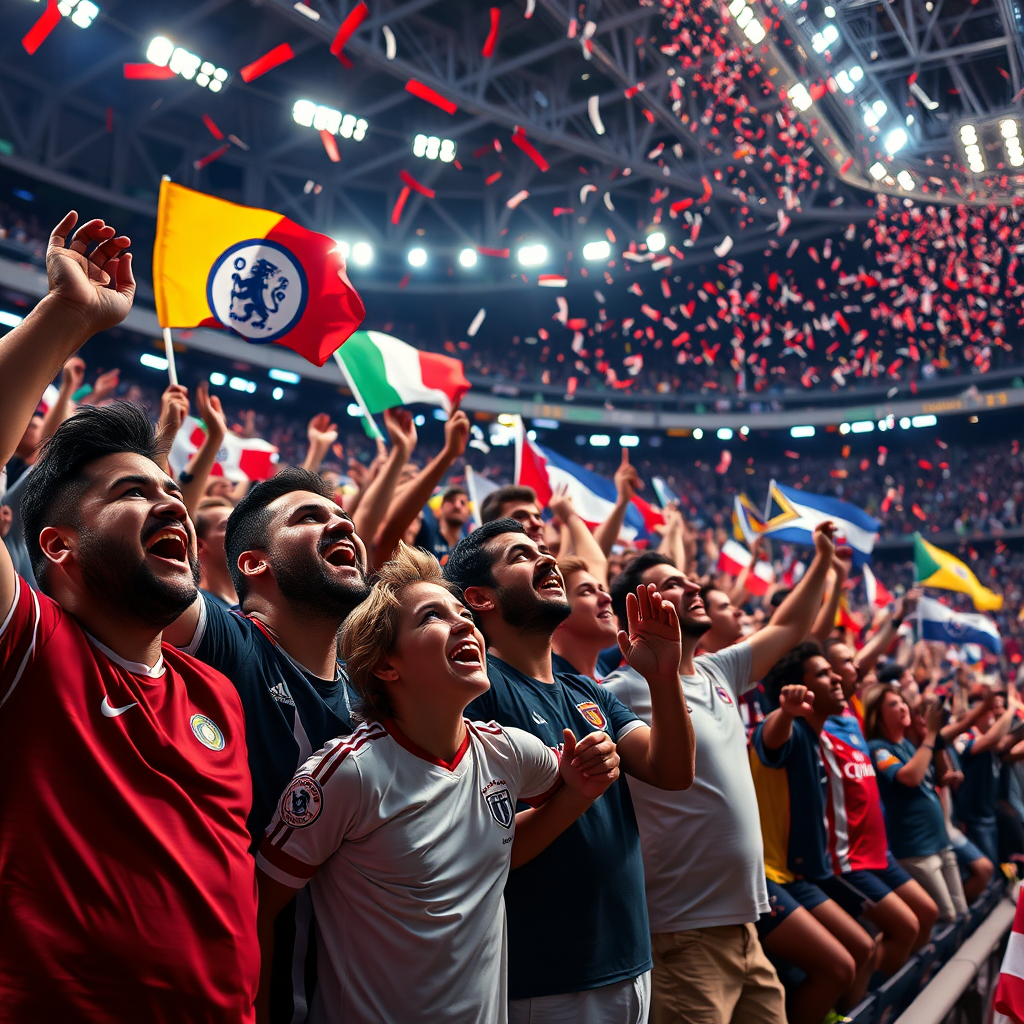 Hình minh hoạ: lucky88
Evaluating the Technical Workflow
Understanding how athletes progress from basic contact to advanced court awareness requires examining each phase of the training and analysis pipeline. The initial access phase focuses on locating reliable movement data and tactical breakdowns. Interfaces that organize film sessions by rotation or server pattern help players identify recurring weaknesses without sifting through hours of irrelevant footage.
The registration step typically involves creating tracked profiles that log personal metrics like toss height, approach angle, and block reaction latency. When these profiles sync with team calendars, coaches can map out periodized practice blocks that alternate heavy serving days with focused hitting drills. This structured approach prevents physical overload while ensuring technical concepts receive adequate repetition.
Actual usage centers on translating video insights into on-court adjustments. Players often begin by drilling serve placement zones, aiming for seam lines between middle blockers and defensive backs. Meanwhile, front-row athletes work on closing angles quickly, prioritizing hand extension over raw elevation. Consistent application of these corrections gradually stabilizes rally outcomes and reduces turnover frequency during tight sets.
Ongoing support bridges the gap between isolated practice and live competition. Constructive feedback loops allow instructors to highlight micro-adjustments in wrist snap or arm swing tempo. Athletes who receive timely clarification on blocking fundamentals tend to recover faster from costly mismatches, maintaining composure even when facing aggressive opponents.

Service Styles Versus Block Formations
| Serve Type | Primary Defensive Risk | Effective Block Counter |
|---|---|---|
| Float Serve | Passer misreading trajectory near the net | Quick lateral shift to cover short balls |
| Topspin Jump Serve | High arcs forcing deep back-row positioning | Vertical seal with hands fully above rim |
| Slice Serve | Ball drifting toward sideline corners | Asymmetric hand placement to limit rebound space |
Athletes navigating complex match scenarios often consult detailed analytical references to refine their routines. You can explore additional technical breakdowns and drill libraries at https://lucky88z.br.com/. Many coaching staffs also recommend pairing serve-reception drills with simultaneous blocking exercises, reinforcing the direct link between offensive pressure and defensive containment.

Who Should Prioritize These Techniques
Competitive program participants benefit most from dedicated momentum tracking and block synchronization. Teams operating in fast-paced leagues consistently lose sets when serve placement remains predictable or when front-row defenders hesitate during spike approaches. Coaches managing rotational substitutions will appreciate how targeted practice schedules reduce communication breakdowns. Conversely, casual recreational players focused purely on social engagement may find intensive statistical tracking unnecessary, though basic tossing routines still improve long-term enjoyment.

Guidance By Participant Profile
- Youth Development Programs: Limit high-impact jumping volume while emphasizing consistent ball contact and fundamental passing routes. Build confidence through low-pressure serve challenges that reward accuracy over velocity.
- Varsity and Club Competitors: Incorporate video review sessions twice weekly to isolate timing errors. Focus on closing hands quickly during blocks and practicing varied spin trajectories during warm-up intervals.
- Adult League Participants: Maintain steady mobility through light dynamic stretching before matches. Adopt conservative placement strategies on serve to preserve energy reserves for extended rally exchanges.
- Coaching and Scouting Staff: Deploy standardized metric templates to compare opponent tendencies across tournaments. Use synchronized tracking sheets to align practice objectives with upcoming matchup requirements.
Focusing on mechanical consistency rather than chasing unpredictable scoring spikes creates sustainable improvement pathways. Athletes who prioritize routine repetition and clear communication channels consistently navigate high-pressure situations with greater clarity. Adjust your training load based on individual recovery rates, stay mindful of joint stress during repetitive jumping motions, and remember that disciplined execution ultimately shapes match outcomes more reliably than temporary bursts of effort. For the full breakdown, visit https://lucky88z.br.com/.